
Gao started university reading sociology. What pulled her towards mathematics was the research itself: handling data and reading trends properly needed foundations she did not yet have. She switched, and finished a mathematics degree at the University of California, Irvine, followed by a master's in statistics at Columbia University.
Background
- MSc Statistics, Columbia University
- BSc Mathematics, University of California, Irvine
- Six years studying overseas
- Two and a half years at Huawei HiSilicon as an AI algorithm engineer, working on audio algorithms
- Close to five years teaching international curricula, from K12 to postgraduate level
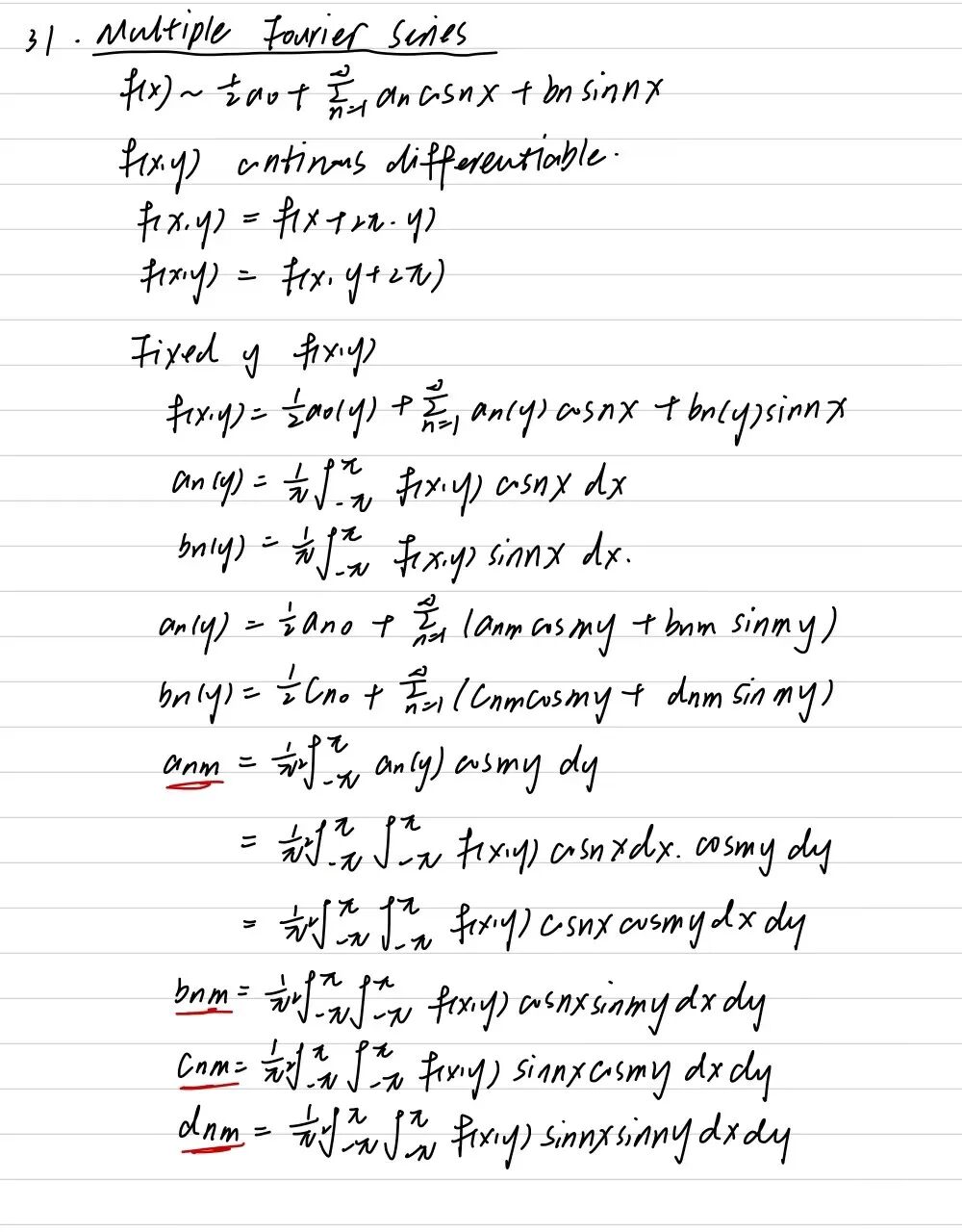
From the lecture hall to production code
After her master's she worked abroad briefly, then joined Huawei HiSilicon as an AI algorithm engineer. She led development, optimisation and deployment of audio algorithms, and describes the period as closing the loop between theory and engineering: taking mathematics and statistics into a real product, carrying an algorithm end to end through deployment and user feedback, and coming out with a far more concrete grasp of the underlying reasoning.
"Study is working things out on paper. Work is doing it live." The engineering years gave her something she now uses constantly in class, which is a stock of real cases where the mathematics had consequences.
Why she moved to teaching
The move was gradual rather than sudden. She had been a teaching assistant as an undergraduate, ran university-preparation extension classes for overseas high schools, and worked on textbook writing and application advising, including a bilingual statistics textbook for an international programme at East China University of Science and Technology.
Across all of it she noticed the same thing: she preferred taking something dense and making it usable to a student over doing the research herself.
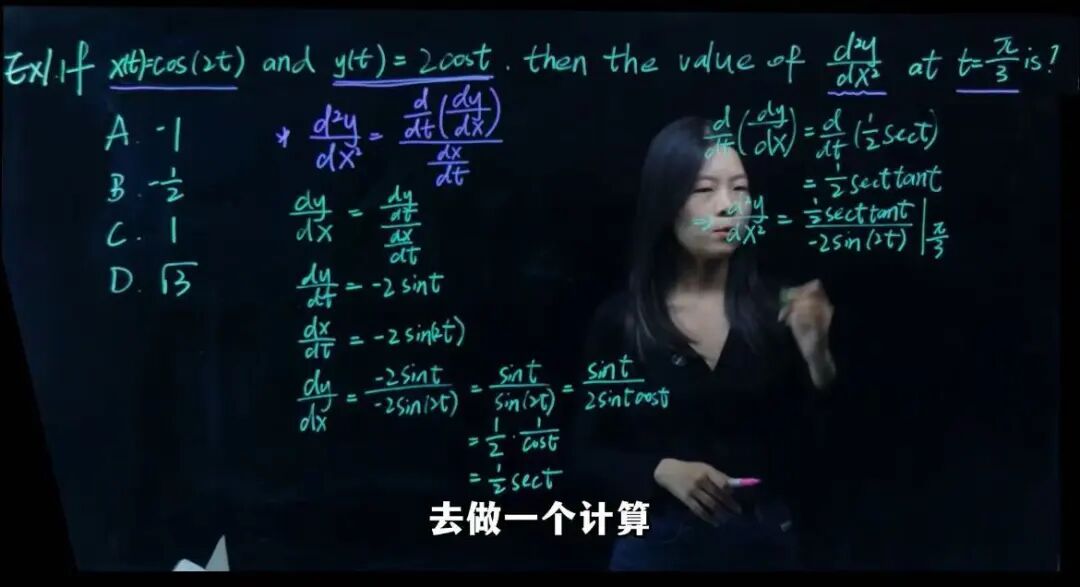
How she teaches
Assess before prescribing
She starts by locating the actual problem, which is rarely "maths is hard". It is usually an unclear concept, a missing method, or a study habit. Younger students get consolidation of school content, GPA work and question-type breakdown; older ones get subject extension, current practice in the field, and research thinking.
Active learning
She avoids lecturing at students. She asks open questions, pushes them to derive results themselves, and keeps the room relaxed enough that they will argue. Her reason is memorable: "If I give them the answer, they trust me. If they derive it, they trust themselves."
An engineer's examples
This is where the Huawei years show. She explains statistical and mathematical ideas through real project work in audio algorithms, data processing and model optimisation, gives students working context on AI and large models before they need it, and flags where a piece of mathematical modelling would break in practice.
What she teaches
IGCSE mathematics, A-Level mathematics, AP Calculus and AP Statistics, with competition coaching including AMC. Her standing advice to younger students is unfashionably plain: build the mathematical foundations properly and in order, because everything the current wave of AI runs on sits directly on top of them.