
Competitions · Physics · SIN
SIN, the Sir Isaac Newton Exam.
Waterloo’s physics paper has run since 1969, and it is the only competition here where topical humour is an acknowledged feature of the questions. Two hours, multiple choice, and a mark scheme that makes a blind guess worth precisely nothing.
At a glance
What the paper is, and who sits it.
The Sir Isaac Newton Exam is run by the physics department at the University of Waterloo. ASDAN China has hosted the China region since 2018; by 2020 more than 280 international and key secondary schools were sending candidates.
- Organiser
- The physics department at the University of Waterloo
- Since
- 1969
- Who can enter
- High-school students. It suits candidates targeting North American science and engineering programmes, and particularly anyone considering Waterloo physics or astronomy
- Format
- Individual, written, multiple choice, in English
- Duration
- 120 minutes
- Marking
- +4 for a correct answer, −1 for a wrong one, 0 for a blank
- Where
- Online with a camera-equipped computer and mobile device, or in person at a test centre school. Either way it must be supervised
- When
- Late April, with registration closing about ten days earlier
- What the fee covers
- The paper, invigilation, marking, reference past papers and one online mock
- The setting
- Questions are novel, often tied to current events, and deliberately entertaining
The mark scheme
A blind guess is worth exactly zero.
The +4 / −1 / 0 structure produces a clean break-even point, and knowing where it sits is worth several marks on the day.
The arithmetic
A correct answer earns 4 and a wrong one costs 1. Guessing pays only when your chance of being right is better than one in five - below that, the expected value of a guess is negative.
On five options, guessing is neutral
A blind guess among five options has exactly a one-in-five chance, which makes the expected gain precisely zero. It neither helps nor hurts, on average.
Which makes elimination the whole game
Rule out one option and a guess becomes clearly worth taking. Rule out none and it is a coin toss with no edge. The decision is always about how much you have excluded.
And a blank is never wrong
Leaving a question costs nothing. On a paper where wrong answers are penalised, that makes discipline about what you do not know as valuable as knowledge of what you do.
What makes it different
A physics paper written to be enjoyed.
SIN has a character that no other contest on this site shares, and it is worth knowing about before sitting it.
Topical humour is a feature
Political and other current-affairs humour has been a hallmark of the paper for years. Questions are framed around things happening in the world rather than in a textbook.
Which means reading matters
A question wrapped around a topical scenario takes longer to parse than a bare one. Candidates who have only practised on conventional problems lose time simply working out what is being asked.
The field is international
Entrants come from Canada, the United States and elsewhere, and participation outside Canada has grown substantially in recent years.
And Waterloo is the destination
For a student considering Waterloo physics or astronomy, this is the department’s own paper. Few competitions connect quite so directly to a specific university programme.
Preparation
How Hanlin prepares students for SIN.
The physics is standard high-school material. What is unfamiliar is the presentation and the penalty marking.
Rehearsing the guess threshold
Deciding per question whether you have excluded enough to beat a one-in-five chance is not instinctive. It is drilled under timed conditions, because on a penalty paper it is worth real marks.
Reading unusual question framings
Practice uses past papers specifically, because the topical framing is the part that slows a first-time candidate down. Familiarity with the style is most of the adjustment.
Two hours, and time to think
A 120-minute multiple-choice paper is generous by contest standards. The paper rewards care, and students practise using the time rather than finishing early.
Using the included mock
The entry covers one online mock. Sitting it properly under exam conditions is the single most useful preparation available before the day.
Why Hanlin
Preparation for SIN at Hanlin is taught by full-time subject tutors, on a course tier chosen by placement paper rather than by year group.
Programme formats
Five ways this is taught.
Group size is the whole difference between these. It decides how much of the tutor's attention a student gets and how far the course can bend to them, so it is worth choosing rather than accepting.
| Format | Group size | What it suits |
|---|---|---|
| One-to-one | One student | Content, pace and emphasis set by what this student actually needs rather than by a syllabus. The only format that can be rebuilt mid-course. |
| Small group | Three to eight | Opens at three. Frequent discussion, and the tutor can slow down or move on according to what the group has absorbed. Most students chasing a higher award are taught in this one. |
| Class | Eight to twelve | Taught by the subject lead or a medal coach. Less back-and-forth, so it suits a student who will say when something is unclear. |
| Large class | Ten to twenty | For students in the middle of the placement range, and a way to try a competition before committing. Students often move to a small group or to one-to-one afterwards. |
| Past-paper class | No cap | Past papers worked through in sequence in the weeks before the sitting. Free to students already enrolled. |
Course length for SIN is set after a placement paper. The gap between where a student is and what the paper asks for is what the course has to close, and that gap is not the same for two students in the same year group.
How it runs
Six steps, four people on your side.
The same process for every student, so that nothing depends on one tutor remembering to do it.
 Step 1
Pre-course assessment
A placement paper before anything is booked, so the course tier is chosen on evidence rather than on a year group.
 Step 2
Tutor matching
A subject tutor is matched to the result, and their full background is provided before you agree to it.
 Step 3
Plan and group
A study group opens with four people on one student: the tutor, a planner, a supervisor and an academic manager.
 Step 4
Scheduled teaching
The teaching office sets the timetable around the competition date and school term, and teaching begins.
 Step 5
After-class reports
What was covered, and how the student handled it, reported after every lesson.
 Step 6
Homework follow-up
The teaching assistant and the form teacher both check that homework is done, which is where most preparation quietly fails.
Free resource pack
Past papers and preparation pack
The same material our own SIN students work from. Scan the code, say what you need, and an advisor sends it.

Tell an advisor which competition and year group, and the material comes back the same day. Free, and you do not have to enrol in anything. If we do not already hold what you need, we will go and find it.
- PDFPast papers, every year the organiser has released
- PDFWorked solutions, where the organiser publishes them
- PDFThe syllabus on one page - every topic, and how heavily it is examined
- PDFEntry checklist and the dates for the current cycle
Teaching team
Who would teach it.
Three of the twenty-two tutors on the published Hanlin roster - the ones whose subject this is.
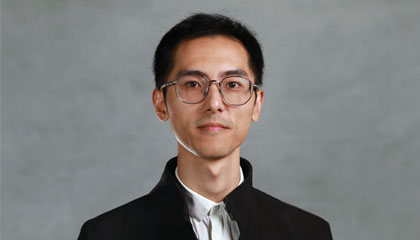
Huang
A College Board-accredited AP teacher. Read mathematics and physics in Southeast University's honours programme, took a master's in aerospace engineering at George Washington University under the lead of NASA's Sigma programme, and a second master's in robotics and AI at Melbourne. Five years teaching international curricula and competitions.
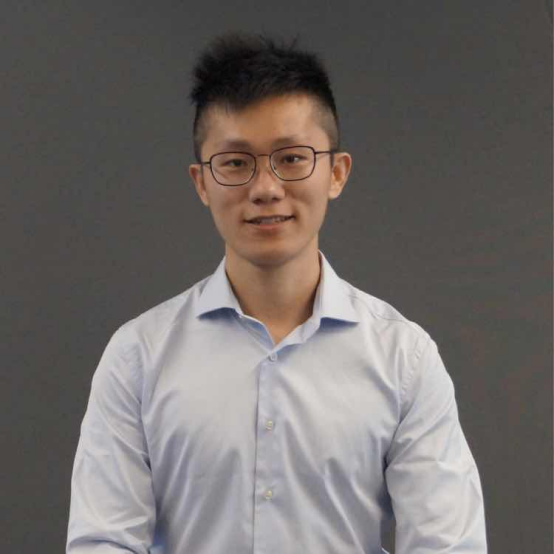
Ding
Master's in physics from Brown University after the physics honours programme at Central China Normal University, with a Berkeley BISP exchange. Two years as a graduate teaching assistant, then teaching alongside Professor Enrico Pajer (cosmology) and Professor Anastasia Romanou (exoplanets). College Board-accredited.

Lu
Master's in astrophysics from UCL after an astronomy degree at Xiamen University. In international education since 2019, teaching for logical structure and framework first - efficient methods and flexible problem-solving over rote coverage.
Student results
What Hanlin students got.
Taken from Hanlin's published record of student honours and rewritten in English. Figures are as the organisers reported them.
SIN
- 20242 students in the global top 150 and 3 national Golds
- 2021One student in the global top 150
Earlier years
- 20207 students in the global top 150
The full record, across every subject and year, is on the student honours page.
Where it is taught
Hanlin learning centres.
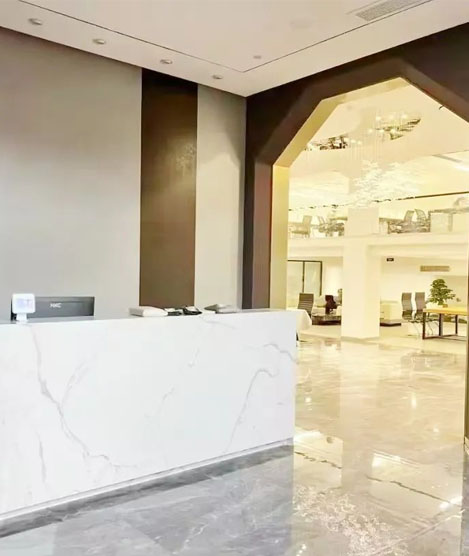
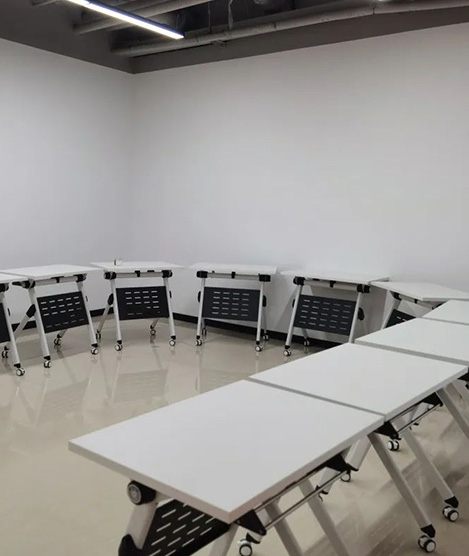
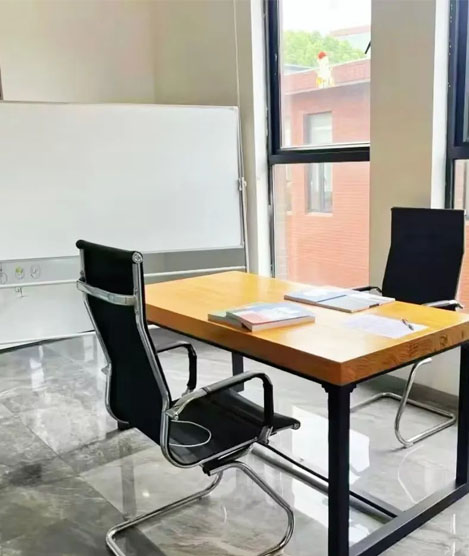
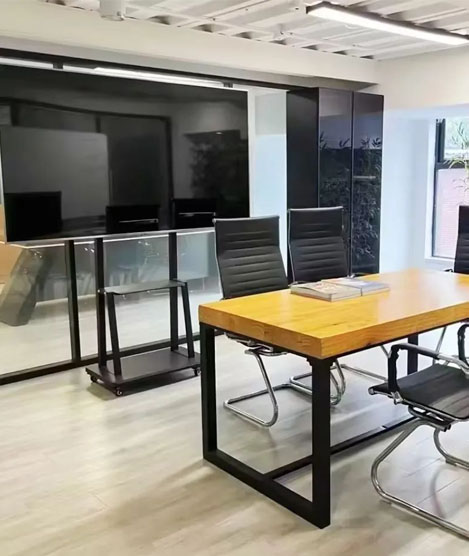
Teaching runs from Hanlin's own centres in Shanghai, Shenzhen, Chengdu and Hangzhou, and online for students elsewhere.

Talk to an advisor
Everything Hanlin does for SIN, in one conversation.
Entry, planning, coaching and the past papers. An advisor will tell you which of these a student actually needs, including when the answer is none of them.
Competition entry and planning
Which competitions suit this student, in what order, and by when - then we handle the registration, including the ones that can only be entered through a school or a centre.
Competition coaching
Taught by full-time subject tutors, on a course tier chosen by placement paper rather than by year group.
International curriculum tutoring
IB, AP, A-Level, IGCSE and the US high school curriculum, taught alongside school and timed around the exam calendar.
Competition past papers, free
A large library of past papers, mark schemes and syllabus breakdowns across every competition on this site. No charge and no enrolment.
Scan to add an advisor
Say which competition or course you are asking about. Replies in Chinese or English.
Or call +86 21 6352 6630FAQ
SIN, briefly answered.
What students and families ask before entering.
Who runs the Sir Isaac Newton Exam?
The physics department at the University of Waterloo, which has run it since 1969. ASDAN China has hosted the China region since 2018.
What is the format?
An individual written multiple-choice paper in English, lasting 120 minutes. It may be sat online or in person, but must be supervised either way.
How is it marked?
Four marks for a correct answer, one mark deducted for a wrong answer, and nothing for a blank.
Should I guess?
Only if you can beat a one-in-five chance. On a five-option question a blind guess has an expected value of exactly zero, so eliminating even one option is what makes guessing worthwhile.
What is the paper like?
Novel questions, frequently tied to current events, with topical humour a long-standing feature. The physics is standard; the framing is not.
Who should enter?
Students strengthening a profile for North American science and engineering programmes, anyone considering Waterloo physics or astronomy, and students who simply want to develop physical reasoning.
Can I sit it at home?
Yes, online, with a camera-equipped computer and a mobile device. It must still be supervised. In-person sittings run at test centre schools.
What does the entry include?
The paper, invigilation, marking, reference past papers and one online mock examination.
Related
Other physics contests.
What students commonly enter alongside SIN.
SIN enquiries
Know where the guessing line sits before you sit down.
A blind guess on this paper is worth exactly nothing, and eliminating one option turns it positive. Tell us the student’s year group and an advisor will map the April entry and the mock that comes with it.