
Competitions · Chemistry · ICQ
ICQ, the International Chemistry Quiz.
An hour of chemistry that you may sit in Chinese or in English, open to students from grade 7 upward. Running since 1982, with more than a hundred thousand entrants a year across twenty-one countries.
At a glance
What the quiz is, and who runs it.
ICQ was renamed from the Australian National Chemistry Quiz in 2021. It is run by the Royal Australian Chemical Institute, founded in 1917, which accredits higher education courses, runs international conferences and awards research prizes.
- Organiser
- The Royal Australian Chemical Institute (RACI), founded 1917
- Formerly
- The Australian National Chemistry Quiz (ANCQ), renamed in 2021
- Since
- 1982
- Scale
- More than 100,000 entrants a year, from 21 countries and regions
- Who can enter
- Students in grades 7 to 12 with an interest in chemistry
- Format
- Individual, written
- Duration
- Published with the entry notice each year
- Language
- Chinese or English - candidates choose
- Where
- Test centres in Shanghai and the southern region
- When
- Late April, with registration closing about ten days earlier
- In China since
- 2018. By 2021, students from 110 well-known schools had competed
- What you receive
- A RACI certificate, recognised internationally
What makes it accessible
The lowest barrier of any chemistry paper here.
ICQ is designed as a quiz rather than an olympiad, and several of its arrangements make it unusually easy to enter.
You choose the language
The paper may be sat in Chinese or in English. No other chemistry contest on this site gives the candidate that choice outright rather than supplying a bilingual paper.
From grade 7 upward
The range runs from grade 7 to grade 12, which is wider than almost any other chemistry competition and lets a younger student enter without being out of place.
One hour, once
A single 60-minute paper with no second round and no qualifying requirement. It is a self-contained commitment.
A recognised certificate
The RACI certificate is internationally recognised, which is what gives an accessible paper weight in an application.
Before you plan
Two practical points worth checking.
Both are easy to miss and both affect whether entering is straightforward.
Test centres are regional
The published centres are in Shanghai and the southern region. Families elsewhere in China should confirm what is available before planning around an entry.
It is a quiz, not an olympiad
The format is a knowledge quiz rather than an extended problem paper. That makes it a poor substitute for UKChO or USNCO if the aim is to demonstrate olympiad-level chemistry.
But a good first entry
For a student in grade 7 to 9 who wants a recognised chemistry result before attempting anything harder, the combination of language choice and modest length is hard to beat.
And a large field
With over a hundred thousand entrants across twenty-one countries, a placing here is measured against a genuinely international cohort.
Preparation
How Hanlin prepares students for ICQ.
A one-hour knowledge quiz across a wide year range rewards coverage and pace rather than depth.
Breadth across the course
The paper samples across school chemistry rather than probing one area. Preparation audits the whole syllabus at the student’s year level.
Deciding the language early
Sitting in Chinese removes a variable for a younger student; sitting in English is useful practice for the harder papers later. The choice is worth making deliberately rather than by default.
Practising at quiz pace
Sixty minutes rewards quick recognition. Timed practice builds the habit of moving on rather than working a question through.
Planning what comes after
For a student who does well, the natural next steps are the longer papers - the Canadian contests, or UKChO once A-Level chemistry is under way.
Why Hanlin
Preparation for ICQ at Hanlin is taught by full-time subject tutors, on a course tier chosen by placement paper rather than by year group.
Programme formats
Five ways this is taught.
Group size is the whole difference between these. It decides how much of the tutor's attention a student gets and how far the course can bend to them, so it is worth choosing rather than accepting.
| Format | Group size | What it suits |
|---|---|---|
| One-to-one | One student | Content, pace and emphasis set by what this student actually needs rather than by a syllabus. The only format that can be rebuilt mid-course. |
| Small group | Three to eight | Opens at three. Frequent discussion, and the tutor can slow down or move on according to what the group has absorbed. Most students chasing a higher award are taught in this one. |
| Class | Eight to twelve | Taught by the subject lead or a medal coach. Less back-and-forth, so it suits a student who will say when something is unclear. |
| Large class | Ten to twenty | For students in the middle of the placement range, and a way to try a competition before committing. Students often move to a small group or to one-to-one afterwards. |
| Past-paper class | No cap | Past papers worked through in sequence in the weeks before the sitting. Free to students already enrolled. |
Course length for ICQ is set after a placement paper. The gap between where a student is and what the paper asks for is what the course has to close, and that gap is not the same for two students in the same year group.
How it runs
Six steps, four people on your side.
The same process for every student, so that nothing depends on one tutor remembering to do it.
 Step 1
Pre-course assessment
A placement paper before anything is booked, so the course tier is chosen on evidence rather than on a year group.
 Step 2
Tutor matching
A subject tutor is matched to the result, and their full background is provided before you agree to it.
 Step 3
Plan and group
A study group opens with four people on one student: the tutor, a planner, a supervisor and an academic manager.
 Step 4
Scheduled teaching
The teaching office sets the timetable around the competition date and school term, and teaching begins.
 Step 5
After-class reports
What was covered, and how the student handled it, reported after every lesson.
 Step 6
Homework follow-up
The teaching assistant and the form teacher both check that homework is done, which is where most preparation quietly fails.
Free resource pack
Past papers and preparation pack
The same material our own ICQ students work from. Scan the code, say what you need, and an advisor sends it.
Tell an advisor which competition and year group, and the material comes back the same day. Free, and you do not have to enrol in anything. If we do not already hold what you need, we will go and find it.
- PDFPast papers, every year the organiser has released
- PDFWorked solutions, where the organiser publishes them
- PDFThe syllabus on one page - every topic, and how heavily it is examined
- PDFEntry checklist and the dates for the current cycle
Teaching team
Who would teach it.
Three of the twenty-two tutors on the published Hanlin roster - the ones whose subject this is.
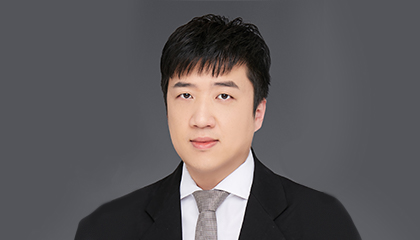
Dr Li
A Fudan postdoctoral researcher with a PhD in organic chemistry from HKUST, a master's in medicinal chemistry and nano-engineering from East China University of Science and Technology jointly with Myongji University, and a first degree in pharmaceutics. College Board-accredited.

Qiu
PhD in organic chemistry from the Institute of Chemistry, Chinese Academy of Sciences, after materials physics at East China University of Science and Technology. College Board-accredited, with published papers on organic small-molecule catalysis in internationally recognised journals.

Shi
Master's in water science and engineering from TU Dresden - one of Germany's TU9 institutes - after environmental engineering at Ocean University of China. A researcher in environmental chemistry at the Helmholtz Centre for Environmental Research, a DAAD scholarship holder, and College Board-accredited.
Where it is taught
Hanlin learning centres.
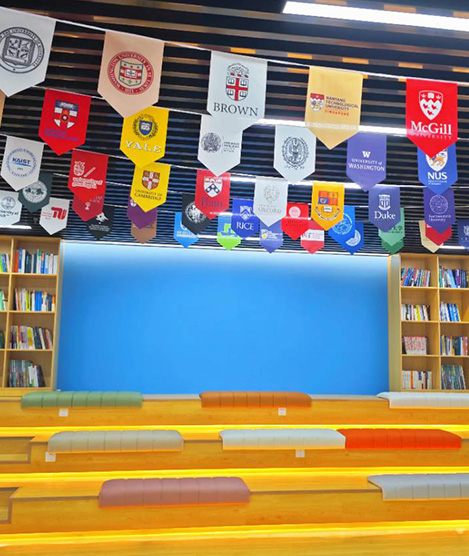
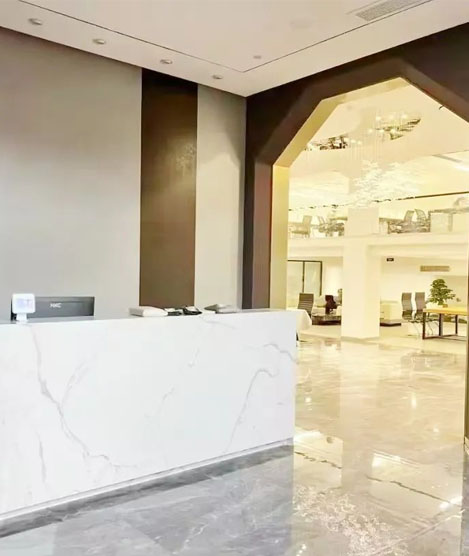
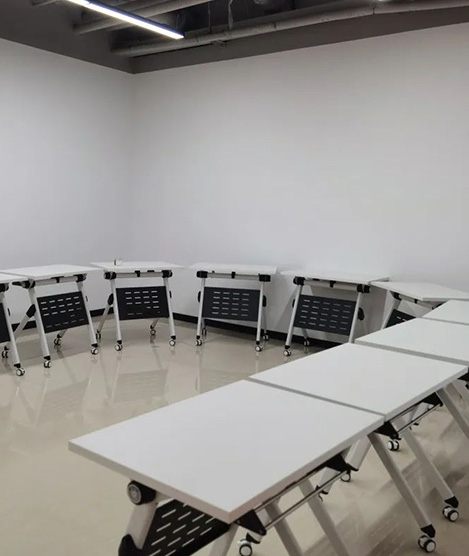
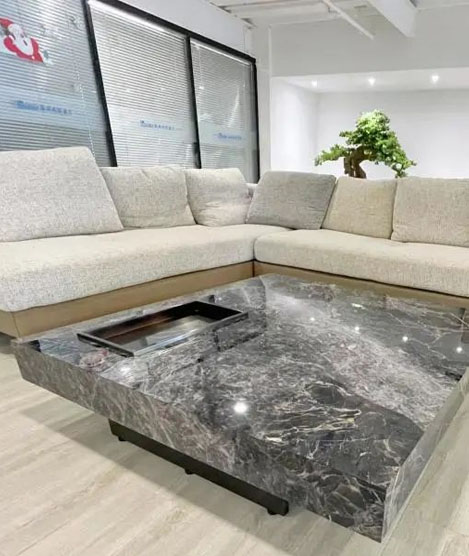
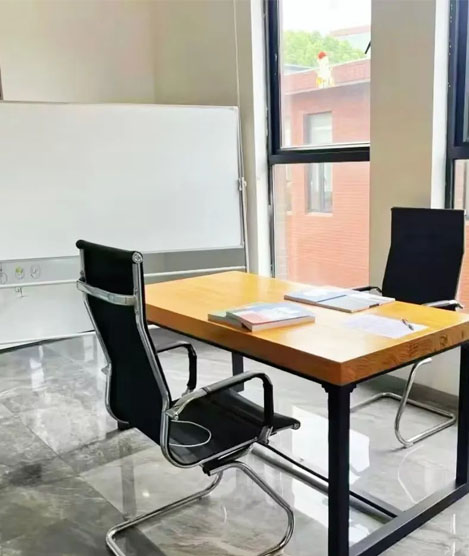
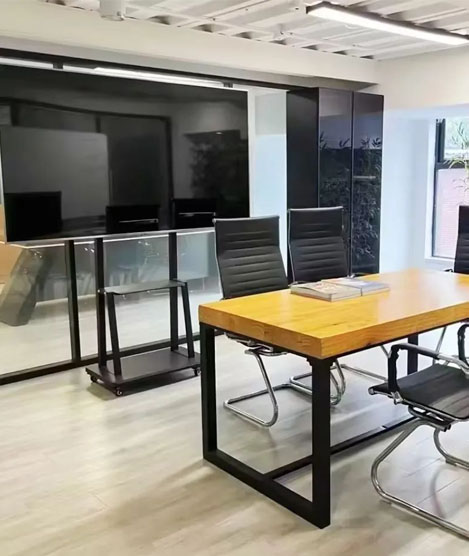
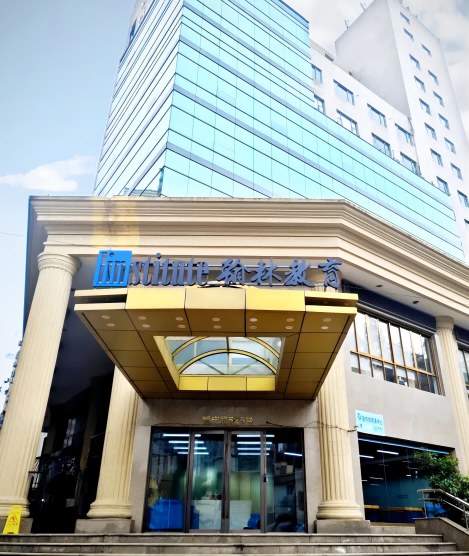
Teaching runs from Hanlin's own centres in Shanghai, Shenzhen, Chengdu and Hangzhou, and online for students elsewhere.
Talk to an advisor
Everything Hanlin does for ICQ, in one conversation.
Entry, planning, coaching and the past papers. An advisor will tell you which of these a student actually needs, including when the answer is none of them.
Competition entry and planning
Which competitions suit this student, in what order, and by when - then we handle the registration, including the ones that can only be entered through a school or a centre.
Competition coaching
Taught by full-time subject tutors, on a course tier chosen by placement paper rather than by year group.
International curriculum tutoring
IB, AP, A-Level, IGCSE and the US high school curriculum, taught alongside school and timed around the exam calendar.
Competition past papers, free
A large library of past papers, mark schemes and syllabus breakdowns across every competition on this site. No charge and no enrolment.
Scan to add an advisor
Say which competition or course you are asking about. Replies in Chinese or English.
Or call +86 21 6352 6630FAQ
ICQ, briefly answered.
What students and families ask before entering.
Is ICQ the same as ANCQ?
Yes. The International Chemistry Quiz was renamed from the Australian National Chemistry Quiz in 2021. It is the same competition under a new name.
Who can enter?
Students in grades 7 to 12 with an interest in chemistry. The range is wider than most chemistry competitions.
What language is the paper in?
Chinese or English - the candidate chooses. That is unusual; most contests supply a bilingual paper rather than a choice.
What is the format?
An individual written paper of sixty minutes. There is no second round and no qualifying requirement.
Where can I sit it?
At test centres in Shanghai and the southern region. Confirm availability before planning an entry from elsewhere in China.
How large is the field?
More than 100,000 entrants a year across 21 countries and regions, and the competition has run since 1982.
What do I receive?
A certificate from the Royal Australian Chemical Institute, which is recognised internationally.
Is it as demanding as UKChO or USNCO?
No. ICQ is a knowledge quiz rather than an olympiad paper, which is what makes it accessible. If the aim is to demonstrate olympiad-level chemistry, the longer papers are the ones to enter.
Related
Where students go next.
Chemistry contests to consider after ICQ.
ICQ enquiries
You can sit this one in Chinese.
An hour, grades 7 to 12, a choice of language and a RACI certificate at the end. Tell us the student’s year group and where you are, and an advisor will confirm centre availability and the April entry.