
Competitions · Biology · Brain Bee
Brain Bee, the neuroscience championship.
Almost every entrant starts from nothing - the organisers say so themselves. Two divisions from grade 5 upward, three levels from regional to international, and a national round that asks you to read an MRI and diagnose a patient.
At a glance
What the championship is, and who backs it.
Brain Bee began in the United States and is jointly organised by an unusually heavyweight group of scientific bodies. It has run in China since 2013.
- Organisers
- The American Psychological Association, the Federation of European Neuroscience Societies, the Society for Neuroscience, the Dana Foundation, the International Brain Research Organization and the Alzheimer’s Association
- In China since
- 2013
- Who can enter
- Students in grades 5 to 12, in two divisions - Brain Bee for grades 9 to 12, Brain Bee Junior for grades 5 to 8
- Prior knowledge
- None required. The organisers state that almost every entrant prepares from a standing start
- Levels
- Regional, then national, then international
- Language
- Papers are set in Chinese, with technical terms given in both Chinese and English. Answers may be written in either, and English abbreviations are accepted
- When
- Regional in late March, national over a weekend in mid-April, international in August
- How to register
- Through a base school. Where a city has no base school, the organisers open an individual registration window and arrange a venue
- Award rate
- About 40% at both regional and national level
- International costs
- Covered in full by the organisers for the student who represents the country
- Official training
- None. The national organising committee states that it does not provide, organise or take part in any Brain Bee training, and has never authorised any body or individual as an official, certified, designated or partner provider
The three levels
Regional, national, international.
Each level is a different kind of assessment, which is what makes this competition worth planning as a season rather than a date.
Regional - a written paper
Closed book, multiple-choice and fill-in questions worth one mark each. Eighty questions for the senior division, sixty for Junior. Regional content comes mainly from the Brain Facts primer.
National - three environments
For the senior division: a 50-mark written paper, 26 marks of image and specimen identification, and 24 marks of case diagnosis. Junior sits a 40-mark paper plus a team science poster worth 40.
International - one student per country
The highest-scoring first-prize winner in the senior national division represents the country, with all costs covered, and is invited to the Federation of European Neuroscience Societies annual meeting.
The national round
What a hundred marks is made of.
This is the part that separates Brain Bee from every other biology paper on this site. Two of the three environments are not exams in any ordinary sense.
| Environment | Questions | Marks | What it asks |
|---|---|---|---|
| Written paper | 50 | 50 | Multiple-choice and fill-in, one mark each. The part closest to a conventional contest |
| Image and specimen identification | 13 | 26 | Naming brain structures from specimens and from CT and MRI scans, two marks each |
| Case diagnosis | 8 | 24 | Reading a patient case and reasoning to what is wrong, three marks each |
| Total | 71 | 100 | All three sat closed book |
Half the marks sit outside the written paper. A student who prepares only by reading is preparing for fifty of a hundred marks.
The Junior division
Grades 5 to 8, and a team round at the national.
Junior is not simply a shorter paper. Half its national marks come from something no other competition here asks of children this age.
A 40-mark written paper
Sixty questions at regional level, forty at national, multiple-choice and fill-in, one mark each. Sat individually and closed book.
And a 40-mark science poster
Teams of four or five, formed after the national list is published, from the same school or across schools. The topic is set on the day.
Made and presented on the spot
The poster is produced within a set time at the venue, with reference material allowed, and then presented aloud. It may be made and presented in Chinese or English.
Scored as a team, credited to each member
The team’s poster score is recorded for every member. A team scoring 35 gives all four or five students 35 marks for that environment.
Places and awards
Five hundred national places, allocated two ways.
How a student reaches the national round is worth understanding before the regional paper, because the two routes reward different things.
350 places by region
Distributed across regions in proportion to how many students actually entered there, then filled by score within each region. A strong student in a small region has a real advantage.
150 places nationally
After the regional allocations are made, the remaining places go to the highest scores across the whole country regardless of region.
First, second and third prizes
Awarded at both regional and national level, in both divisions, with the award rate held at about 40%.
And an organisation award
Given to schools on the overall performance and participation of their entrants.
Preparation
How Hanlin prepares students for Brain Bee.
The organising committee runs no training of its own and authorises none, so preparation here is built from the published syllabus and the reading list the organisers recommend.
Brain Facts first, and completely
The organisers recommend that both divisions read the Brain Facts primer in full, and say the regional paper is drawn mainly from it. It is the single most efficient thing a beginner can do.
Then imaging, which reading will not teach
Twenty-six marks come from naming structures in specimens and scans. That is a visual skill built by working through images, not by studying text.
And case reasoning, which is different again
Twenty-four marks come from diagnosing from a case description. Practice works from symptoms back to structures rather than forward from a syllabus.
Reading further for the senior division
Beyond Brain Facts, the organisers point senior entrants at chapters of university-level introductions - cognitive neuroscience texts and general neuroscience readers such as Exploring the Brain.
Why Hanlin
Hanlin has been entering students for Brain Bee for years, and publishes what they got. The record is further down this page.
Programme formats
Five ways this is taught.
Group size is the whole difference between these. It decides how much of the tutor's attention a student gets and how far the course can bend to them, so it is worth choosing rather than accepting.
| Format | Group size | What it suits |
|---|---|---|
| One-to-one | One student | Content, pace and emphasis set by what this student actually needs rather than by a syllabus. The only format that can be rebuilt mid-course. |
| Small group | Three to eight | Opens at three. Frequent discussion, and the tutor can slow down or move on according to what the group has absorbed. Most students chasing a higher award are taught in this one. |
| Class | Eight to twelve | Taught by the subject lead or a medal coach. Less back-and-forth, so it suits a student who will say when something is unclear. |
| Large class | Ten to twenty | For students in the middle of the placement range, and a way to try a competition before committing. Students often move to a small group or to one-to-one afterwards. |
| Past-paper class | No cap | Past papers worked through in sequence in the weeks before the sitting. Free to students already enrolled. |
Course tiers
Which course, and on what evidence.
Every tier for Brain Bee is entered from a placement paper rather than from a year group. These are the actual standards.
| Course | Hours | Who it is for |
|---|---|---|
| Full course | 40 hours | One format only, with no entry requirement. Everyone sitting Brain Bee for the first time takes the same course |
Ask for the placement paper before choosing a tier. It takes an hour and it settles the question.
How it runs
Six steps, four people on your side.
The same process for every student, so that nothing depends on one tutor remembering to do it.
 Step 1
Pre-course assessment
A placement paper before anything is booked, so the course tier is chosen on evidence rather than on a year group.
 Step 2
Tutor matching
A subject tutor is matched to the result, and their full background is provided before you agree to it.
 Step 3
Plan and group
A study group opens with four people on one student: the tutor, a planner, a supervisor and an academic manager.
 Step 4
Scheduled teaching
The teaching office sets the timetable around the competition date and school term, and teaching begins.
 Step 5
After-class reports
What was covered, and how the student handled it, reported after every lesson.
 Step 6
Homework follow-up
The teaching assistant and the form teacher both check that homework is done, which is where most preparation quietly fails.
Free resource pack
Brain Bee preparation pack
The same material our own Brain Bee students work from. Scan the code, say what you need, and an advisor sends it.

Tell an advisor which competition and year group, and the material comes back the same day. Free, and you do not have to enrol in anything. If we do not already hold what you need, we will go and find it.
- PDFBrain Facts, the set text, with the sections that carry the most questions
- PDFPast regional question sets
- PDFWhat changes between the regional, national and international rounds
- PDFRegistration checklist and the dates for the current cycle
Teaching team
Who would teach it.
Three of the twenty-two tutors on the published Hanlin roster - the ones whose subject this is.
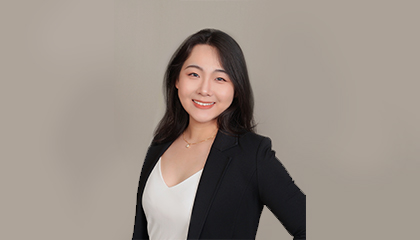
Zhang
Master's in cognitive science at UC San Diego on full scholarship, after double honours in neurobiology and behaviour and in cognitive science at UC Davis. Ten years overseas, a perfect TOEFL speaking score, and named an outstanding education scholar at UCSD.

Yu
Master's in bioinformatics and computational biology from UT Dallas and a nutritional sciences degree from Wisconsin-Madison. Second author on an SCI-indexed paper from the Tanumihardjo vitamin-A laboratory, and formerly at ABS Global.

Li
Biology at Emory, biomedical engineering at Georgia Tech, and a bioengineering master's at the University of Pennsylvania. College Board-accredited, teaching from a cross-disciplinary research base and folding research practice into the classroom.
Student results
What Hanlin students got.
Taken from Hanlin's published record of student honours and rewritten in English. Figures are as the organisers reported them.
Of regional entrants advanced, 2025
One line from Hanlin's published Brain Bee record. The rest of it is below.
Brain Bee
- 202528 students won a regional award and 20 advanced to the national round, an advancement rate above 70%. One student took the top award at the first Chinese Taipei regional round
- 20243 national first prizes
Earlier years
- 20232 national first prizes, with 33 students advancing from the regional round
The full record, across every subject and year, is on the student honours page.
Where it is taught
Hanlin learning centres.
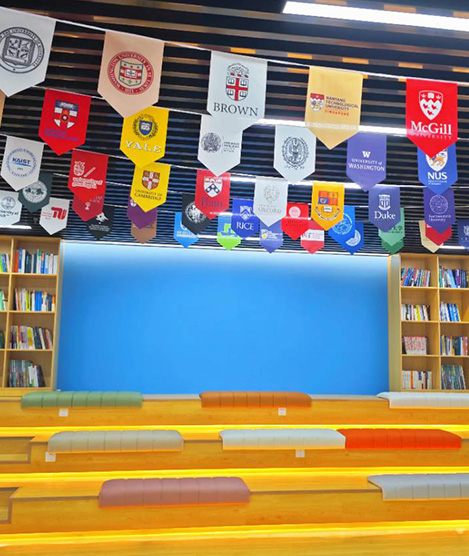
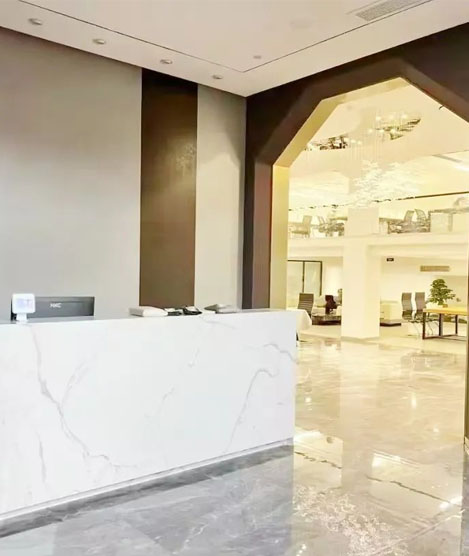
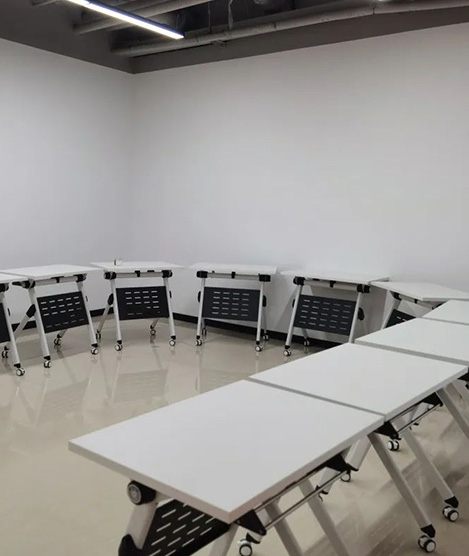
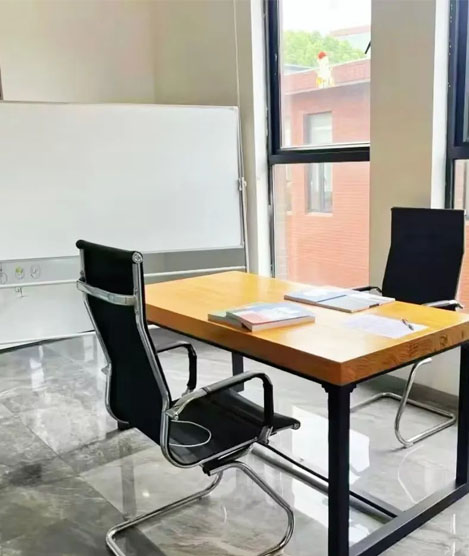
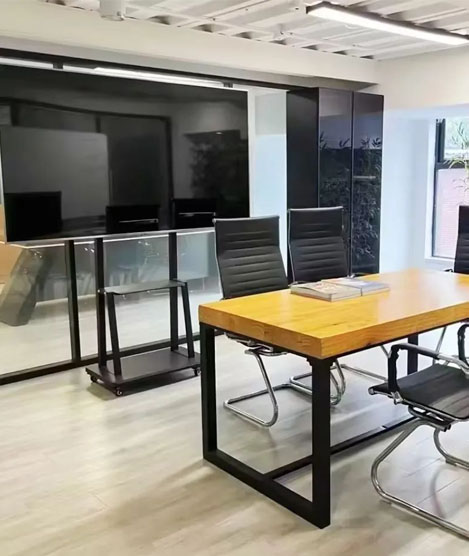
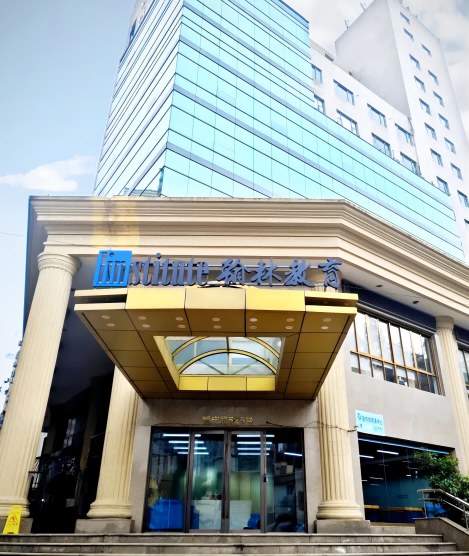
Teaching runs from Hanlin's own centres in Shanghai, Shenzhen, Chengdu and Hangzhou, and online for students elsewhere.

Talk to an advisor
Everything Hanlin does for Brain Bee, in one conversation.
Entry, planning, coaching and the past papers. An advisor will tell you which of these a student actually needs, including when the answer is none of them.
Competition entry and planning
Which competitions suit this student, in what order, and by when - then we handle the registration, including the ones that can only be entered through a school or a centre.
Competition coaching
Taught by full-time subject tutors, on a course tier chosen by placement paper rather than by year group.
International curriculum tutoring
IB, AP, A-Level, IGCSE and the US high school curriculum, taught alongside school and timed around the exam calendar.
Competition past papers, free
A large library of past papers, mark schemes and syllabus breakdowns across every competition on this site. No charge and no enrolment.
Scan to add an advisor
Say which competition or course you are asking about. Replies in Chinese or English.
Or call +86 21 6352 6630FAQ
Brain Bee, briefly answered.
What students and families ask before entering.
Do I need to know any neuroscience first?
No. The organisers state that almost every entrant prepares from a standing start. Neuroscience is not a school subject, so nobody arrives with an advantage from coursework.
Who can enter?
Students in grades 5 to 12. Grades 9 to 12 enter Brain Bee; grades 5 to 8 enter Brain Bee Junior.
What language is it in?
The papers are set in Chinese, with technical terms given in both Chinese and English. Answers may be written in Chinese or English, and English abbreviations are accepted.
How does the progression work?
Regional in late March, national over a weekend in mid-April, international in August. One student per country goes to the international round.
What is the national round like?
For grades 9 to 12: a 50-mark written paper, 26 marks of image and specimen identification from CT and MRI scans, and 24 marks of case diagnosis. For Junior: a 40-mark paper and a 40-mark team science poster.
How do I register?
Through a base school. If your city has no base school, the organisers open an individual registration window and arrange a venue.
What are my chances of an award?
The award rate is held at about 40% at both regional and national level, across first, second and third prizes.
How do I reach the international round?
The highest-scoring first-prize winner in the senior national division represents the country. The organisers cover the full cost of the trip and the student is also invited to the Federation of European Neuroscience Societies annual meeting.
Is there official training?
No. The national organising committee states that it does not provide, organise or take part in any Brain Bee training, and has never authorised any body or individual as an official, certified, designated or partner provider. Any preparation, ours included, is independent of the organisers.
What should I read?
The organisers set a syllabus rather than a textbook. They recommend the Brain Facts primer for both divisions, and for the senior division chapters of university-level introductions to cognitive neuroscience and general neuroscience.
Related
Other biology contests.
What students commonly enter alongside Brain Bee.
Brain Bee enquiries
Nobody starts this one knowing anything.
Neuroscience is not on any school syllabus, so every entrant begins from the same place - which is exactly why it suits a student looking for a subject of their own. Tell us the year group and an advisor will map the March regional entry and what follows it.