
Competitions · Biology · BioGENEius
The BioGENEius Challenges.
A biotechnology research competition judged by the industry itself, ending on stage at the BIO International Convention in front of some sixteen thousand people. Open only to students at high schools in three countries.
Read this first
Three countries only, and your school is what counts.
This is the first thing to establish, because everything else on this page depends on it. Eligibility is decided by where a student is at school, not by nationality.
The United States, Canada and Germany
The competition is open only to students attending high school in one of those three countries. There is no international entry route and no China region.
Which does include Chinese students abroad
A student from China at an American, Canadian or German high school is eligible on the same terms as any classmate. Nationality is not the test.
But not students at school in China
A student at a school in China cannot enter, however strong the research. Any page inviting them to register is describing a competition they cannot join.
If that is you, there are alternatives
Research competitions open to students in China include the Yau Science Award and the international science and engineering fair route. An advisor can map which fits a biotechnology project.
At a glance
What the competition is.
BioGENEius is the flagship programme of the Biotechnology Institute, run by the Biotechnology Industry Organization. Top finalists represent the top 5% of applicants, drawn from state and regional science fairs across more than thirty states and from international partners.
- Organiser
- The Biotechnology Industry Organization (BIO)
- Who can enter
- Students in grades 9 to 12 at high school in the United States, Canada or Germany
- Academic requirement
- The student must have studied biology or another science subject during grades 9 to 12, at a public, private or home school
- Format
- Individual. One project per student
- Project requirement
- The project must involve an application of biotechnology
- Research window
- New research from the current year, no longer than 12 months, and falling within the 18 months before the international final
- Continued research
- Permitted, but the submission must state clearly how it differs from and advances on the earlier work, and give the actual start and end dates of the research
- How to register
- A single form on the organiser’s site - choose a challenge track and a region, and upload a guardian or mentor signature and the project as a PDF
- When
- Registration in January, competition in June
- Travel
- Students selected for the international final receive travel support from BIO
The three tracks
Choose the track when you register.
The tracks were introduced in 2018 so that projects reach judges who work in that field. The choice is made at registration and shapes who assesses the work.
Global Healthcare Challenge
Healthcare and medical biotechnology - reducing the incidence of infectious disease, improving survival, and helping developing countries meet health threats using the genome and the tools of biology.
Global Sustainability Challenge
Agricultural biotechnology. Humans have used fermentation to improve the food supply for millennia; the last forty years have added decoding plant genomes to improve resistance, yield and supply.
Global Environment Challenge
Industrial and environmental biotechnology - using biocatalysts such as enzymes and yeasts as microscopic production lines, getting more from existing fuels more cleanly, and reducing the ecological footprint.
The route
National first, then the international final.
Each of the three countries selects its own representatives, and only then do they meet.
United States - two ways in
The Local BioGENEius Challenges run state by state, with each state’s winner advancing. The At-Large Challenge covers students outside those regions and home-schooled students, and advances just one.
Canada and Germany
The Sanofi BioGENEius Challenge Canada and the BioGENEius Challenge Germany each select their national representatives directly.
The international final
Held at the BIO International Convention, where finalists present their research to around sixteen thousand attendees and a jury drawn from industry and academia.
Judged by the industry, not by academics alone
That is the distinguishing feature. Recognition here comes from people who work in biotechnology commercially, which is a different audience from a science fair panel.
What a strong entry looks like
The rules shape the project more than most competitions do.
Three of the entry requirements are really project-design constraints, and they are worth reading before starting work rather than before submitting.
Twelve months, and no more
The research must be new work of the current year, running no longer than twelve months, within an eighteen-month window before the final. A long-running project has to be scoped into a defined piece of work.
Biotechnology has to be applied
The project must involve an application of biotechnology. Biological research that does not apply a biotechnology tool falls outside the competition.
Continued research must show its own edge
If the subject resembles earlier work, the submission has to state the difference and the meaningful advance, with actual start and end dates. Vagueness here is treated as a defect.
One project, one student
Entry is individual and each student may submit a single project. There is no team route, which distinguishes this from most research competitions.
Preparation
How Hanlin supports a BioGENEius entry.
For an eligible student, this is a research project rather than an exam, so the support looks quite different from competition tutoring.
Scoping the project to the window
Twelve months is a real constraint. Most of the value comes from defining a question that can be answered properly within it, rather than reporting part of something larger.
Choosing the right track
The track determines who judges the work. Matching the project to healthcare, sustainability or environment shapes how it should be framed as well as where it goes.
Writing for an industry jury
The final is presented to people who work in biotechnology commercially. That audience asks what the work is for, not only whether it is sound.
And confirming eligibility before anything else
Because entry depends on where a student is at school, that question is settled first. It is the only competition on this site where the answer can be no before the work begins.
Why Hanlin
Preparation for BioGENEius at Hanlin is taught by full-time subject tutors, on a course tier chosen by placement paper rather than by year group.
Programme formats
Five ways this is taught.
Group size is the whole difference between these. It decides how much of the tutor's attention a student gets and how far the course can bend to them, so it is worth choosing rather than accepting.
| Format | Group size | What it suits |
|---|---|---|
| One-to-one | One student | Content, pace and emphasis set by what this student actually needs rather than by a syllabus. The only format that can be rebuilt mid-course. |
| Small group | Three to eight | Opens at three. Frequent discussion, and the tutor can slow down or move on according to what the group has absorbed. Most students chasing a higher award are taught in this one. |
| Class | Eight to twelve | Taught by the subject lead or a medal coach. Less back-and-forth, so it suits a student who will say when something is unclear. |
| Large class | Ten to twenty | For students in the middle of the placement range, and a way to try a competition before committing. Students often move to a small group or to one-to-one afterwards. |
| Past-paper class | No cap | Past papers worked through in sequence in the weeks before the sitting. Free to students already enrolled. |
Course length for BioGENEius is set after a placement paper. The gap between where a student is and what the paper asks for is what the course has to close, and that gap is not the same for two students in the same year group.
How it runs
Six steps, four people on your side.
The same process for every student, so that nothing depends on one tutor remembering to do it.
 Step 1
Pre-course assessment
A placement paper before anything is booked, so the course tier is chosen on evidence rather than on a year group.
 Step 2
Tutor matching
A subject tutor is matched to the result, and their full background is provided before you agree to it.
 Step 3
Plan and group
A study group opens with four people on one student: the tutor, a planner, a supervisor and an academic manager.
 Step 4
Scheduled teaching
The teaching office sets the timetable around the competition date and school term, and teaching begins.
 Step 5
After-class reports
What was covered, and how the student handled it, reported after every lesson.
 Step 6
Homework follow-up
The teaching assistant and the form teacher both check that homework is done, which is where most preparation quietly fails.
Free resource pack
Past papers and preparation pack
The same material our own BioGENEius students work from. Scan the code, say what you need, and an advisor sends it.

Tell an advisor which competition and year group, and the material comes back the same day. Free, and you do not have to enrol in anything. If we do not already hold what you need, we will go and find it.
- PDFPast papers, every year the organiser has released
- PDFWorked solutions, where the organiser publishes them
- PDFThe syllabus on one page - every topic, and how heavily it is examined
- PDFEntry checklist and the dates for the current cycle
Teaching team
Who would teach it.
Three of the twenty-two tutors on the published Hanlin roster - the ones whose subject this is.

Yu
Master's in bioinformatics and computational biology from UT Dallas and a nutritional sciences degree from Wisconsin-Madison. Second author on an SCI-indexed paper from the Tanumihardjo vitamin-A laboratory, and formerly at ABS Global.
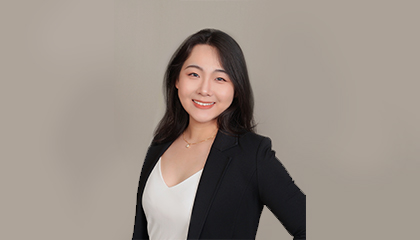
Zhang
Master's in cognitive science at UC San Diego on full scholarship, after double honours in neurobiology and behaviour and in cognitive science at UC Davis. Ten years overseas, a perfect TOEFL speaking score, and named an outstanding education scholar at UCSD.

Li
Biology at Emory, biomedical engineering at Georgia Tech, and a bioengineering master's at the University of Pennsylvania. College Board-accredited, teaching from a cross-disciplinary research base and folding research practice into the classroom.
Where it is taught
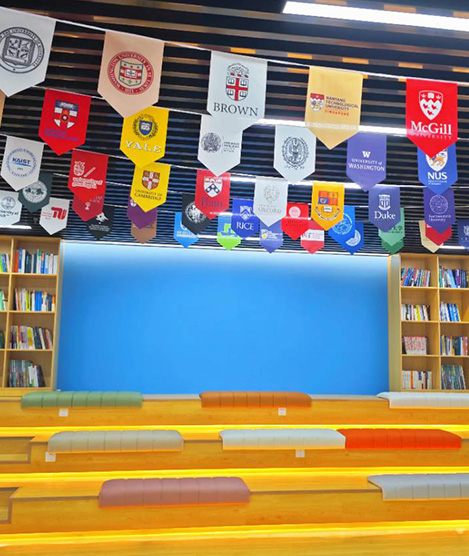
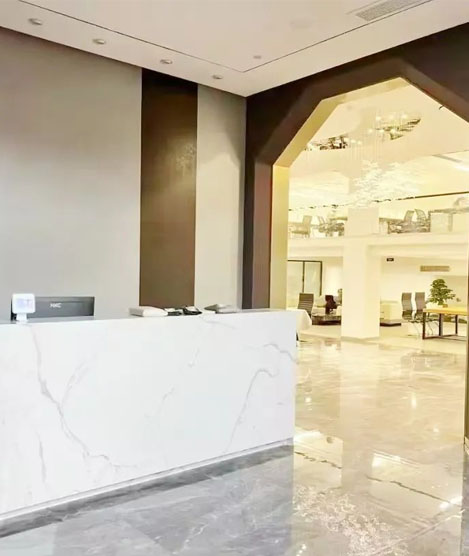
Hanlin learning centres.
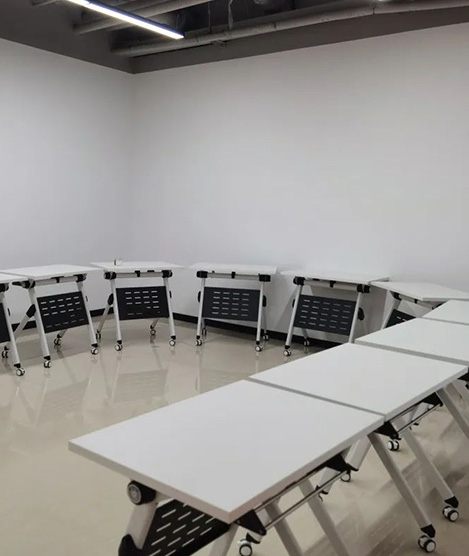
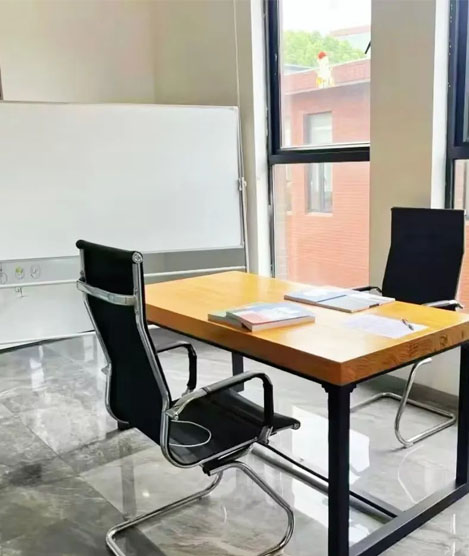
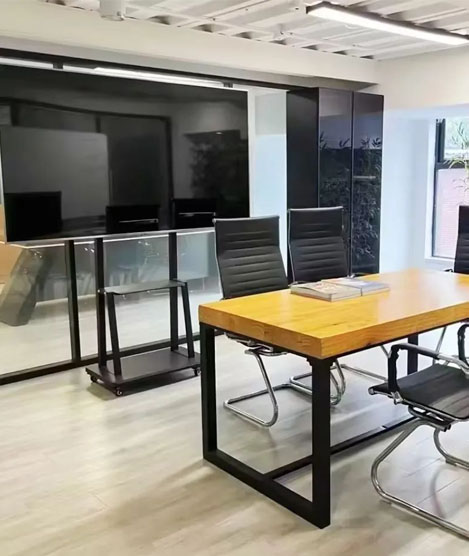
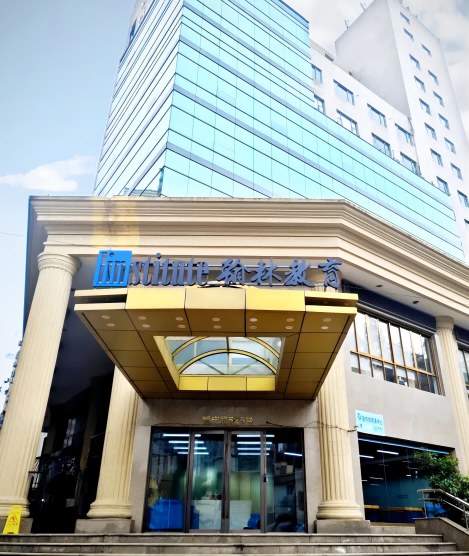
Teaching runs from Hanlin's own centres in Shanghai, Shenzhen, Chengdu and Hangzhou, and online for students elsewhere.

Talk to an advisor
Everything Hanlin does for BioGENEius, in one conversation.
Entry, planning, coaching and the past papers. An advisor will tell you which of these a student actually needs, including when the answer is none of them.
Competition entry and planning
Which competitions suit this student, in what order, and by when - then we handle the registration, including the ones that can only be entered through a school or a centre.
Competition coaching
Taught by full-time subject tutors, on a course tier chosen by placement paper rather than by year group.
International curriculum tutoring
IB, AP, A-Level, IGCSE and the US high school curriculum, taught alongside school and timed around the exam calendar.
Competition past papers, free
A large library of past papers, mark schemes and syllabus breakdowns across every competition on this site. No charge and no enrolment.
Scan to add an advisor
Say which competition or course you are asking about. Replies in Chinese or English.
Or call +86 21 6352 6630FAQ
BioGENEius, briefly answered.
What students and families ask before starting a project.
Can a student in China enter?
No. The competition is open only to students attending high school in the United States, Canada or Germany. A student at a school in China cannot enter, whatever their nationality or the quality of their research.
Can a Chinese student at an American high school enter?
Yes. Eligibility depends on where the student is at school, not on nationality. A student from China at a US, Canadian or German high school enters on the same terms as anyone else.
Who can enter?
Students in grades 9 to 12 who have studied biology or another science subject during those years, at a public, private or home school in one of the three eligible countries.
What kind of project is required?
An individual research project involving an application of biotechnology. Each student may submit one project.
How recent must the research be?
It must be new work from the current year, no longer than twelve months, falling within the eighteen months before the international final.
Can I continue earlier research?
Yes, but the submission must state clearly how it differs from and advances on the earlier work, and give the actual start and end dates of the research.
What are the three tracks?
The Global Healthcare Challenge for healthcare and medical biotechnology, the Global Sustainability Challenge for agricultural biotechnology, and the Global Environment Challenge for industrial and environmental biotechnology. The track is chosen at registration.
How does a student reach the international final?
Through a national route - the Local or At-Large Challenges in the United States, the Sanofi BioGENEius Challenge Canada, or the BioGENEius Challenge Germany. National representatives then compete at the BIO International Convention.
What does it cost to attend the final?
Students selected for the international final receive travel support from BIO.
What should a student in China enter instead?
Research competitions open to students in China, such as the Yau Science Award or the international science and engineering fair route. Tell us the subject of the project and an advisor will suggest where it fits.
Related
Research competitions that are open to you.
Where a biotechnology project can go if BioGENEius is closed.
BioGENEius enquiries
Settle eligibility before you start the research.
BioGENEius is open only to students at high school in the United States, Canada or Germany, and a twelve-month research window means the project has to be designed around the rules. Tell us where the student is at school and an advisor will confirm whether this is open - and what to enter if it is not.