
Competitions · Humanities and writing · NMUN
NMUN, National Model United Nations.
The oldest and largest Model UN conference in the world, with a formal link to the UN and a New York session that finishes at UN Headquarters. It is also, by its own description, a conference for university students.
Read this first
Check which conference takes school students.
The published material describes NMUN two ways, and the difference matters because attending means booking international travel and accommodation.
It calls itself a collegiate conference
NMUN describes itself as the largest, most prestigious and oldest intercollegiate Model UN, and its New York description places you among thousands of university students from more than a hundred countries.
But one line says school students attend
A separate passage states that participants range from university students to high school and even middle school students, and the eligibility summary gives an age range of 10 to 18.
And its own history explains why
NMUN’s organisers created a National High School Model United Nations conference in 1974, first held in New York in May 1975, and transferred it to a separate non-profit - the International Model United Nations Association - in 1978.
So confirm before you book
Ask NMUN directly whether a school delegation can register for the conference you are considering, and what the age requirement actually is. Do this before flights, not after.
At a glance
What NMUN is.
NMUN is a US 501(c)(3) non-profit that draws participants from more than a hundred UN member states each year. Its stated aim is understanding of the United Nations and contemporary global issues, and preparing participants to be active global citizens.
- What it is
- An intercollegiate Model United Nations conference, described by its organisers as the oldest and largest of its kind
- Who attends
- Described as university students. A separate passage says participants range from university to high school and middle school. Confirm before registering
- Stated age range
- 10 to 18, in the eligibility summary
- Language
- English - listening, speaking and writing
- UN relationship
- A formal relationship with the UN Department of Global Communications
- Three conferences
- New York, Washington DC, and the Galápagos Islands
- What delegates do
- Represent an assigned country or organisation in simulated UN committees, draft resolutions, negotiate, and meet policy specialists
- New York highlight
- Selected sessions at UN Headquarters, and visits to permanent missions to the UN - circumstances permitting
- Registration
- Opens in September for the following spring, with delegation and hotel confirmation and payment from mid-November
- Note on dates
- The published schedule covers a season that has passed and mixes two years. Check the current dates
The three conferences
Very different experiences under one name.
These are not tiers of the same event. Choose by what the student actually wants from it.
| Conference | What it offers |
|---|---|
| New York | The largest and longest-established. Thousands of delegates from over a hundred countries, committee sessions and draft resolutions, visits to permanent missions to the UN, and selected sessions at UN Headquarters where circumstances allow |
| Washington DC | Several hundred delegates, held in the US capital, focused on current questions in international relations, with the diplomatic apparatus of Washington around it |
| Galápagos | Hosted with Universidad San Francisco de Quito on its San Cristóbal campus, which sits on its own beach beside the national park. Built around global environmental issues, with service-learning in Galápagos National Park and access to a UNESCO World Heritage site. Places are limited |
The Galápagos conference is the one that does something the others cannot - environmental policy debated where the consequences are visible, with actual service work attached. It is also the smallest, so it fills early.
What delegates actually do
Not a debate competition.
Model UN rewards a different set of skills from debate, and students who expect one and find the other are often surprised.
You represent a position, not your own
Delegates take the perspective of an assigned country or organisation, which means researching and then arguing a national position that may not be their own.
The output is a document
Committees work toward draft resolutions. The writing and the negotiating are the work; the speaking is how you get there.
And the corridor matters as much as the room
The organisers name preparation, committee sessions and corridor caucusing as the three places where the learning happens. Informal negotiation is where most resolutions are actually built.
Which is the stated point
The organisers describe the aim as appreciating different perspectives, experiencing the difficulty of negotiation, seeing the rewards of cooperation, and finding the human side of diplomacy.
Preparation
How Hanlin prepares a Model UN delegate.
For an eligible student, the preparation is research and rehearsal in roughly equal measure.
Learning the assigned country properly
Not the country you would choose - the one you are given. Its actual voting record, its alliances, its domestic constraints. A delegate who argues their own view rather than their country’s is doing the exercise wrong.
Practising resolution drafting
Resolutions have a form, and learning it in advance saves hours in committee. This is the most teachable part of Model UN and the part most delegates arrive without.
Rehearsing the informal negotiation
Building a bloc, trading amendments, finding the sponsor you need. Uncomfortable to practise and decisive on the day.
And confirming eligibility first
Before any of this - establish with NMUN whether a school student can register for the conference in question, and what the requirement is.
Why Hanlin
Preparation for NMUN at Hanlin is taught by full-time subject tutors, on a course tier chosen by placement paper rather than by year group.
Programme formats
Five ways this is taught.
Group size is the whole difference between these. It decides how much of the tutor's attention a student gets and how far the course can bend to them, so it is worth choosing rather than accepting.
| Format | Group size | What it suits |
|---|---|---|
| One-to-one | One student | Content, pace and emphasis set by what this student actually needs rather than by a syllabus. The only format that can be rebuilt mid-course. |
| Small group | Three to eight | Opens at three. Frequent discussion, and the tutor can slow down or move on according to what the group has absorbed. Most students chasing a higher award are taught in this one. |
| Class | Eight to twelve | Taught by the subject lead or a medal coach. Less back-and-forth, so it suits a student who will say when something is unclear. |
| Large class | Ten to twenty | For students in the middle of the placement range, and a way to try a competition before committing. Students often move to a small group or to one-to-one afterwards. |
| Past-paper class | No cap | Past papers worked through in sequence in the weeks before the sitting. Free to students already enrolled. |
Course length for NMUN is set after a placement paper. The gap between where a student is and what the paper asks for is what the course has to close, and that gap is not the same for two students in the same year group.
How it runs
Six steps, four people on your side.
The same process for every student, so that nothing depends on one tutor remembering to do it.
 Step 1
Pre-course assessment
A placement paper before anything is booked, so the course tier is chosen on evidence rather than on a year group.
 Step 2
Tutor matching
A subject tutor is matched to the result, and their full background is provided before you agree to it.
 Step 3
Plan and group
A study group opens with four people on one student: the tutor, a planner, a supervisor and an academic manager.
 Step 4
Scheduled teaching
The teaching office sets the timetable around the competition date and school term, and teaching begins.
 Step 5
After-class reports
What was covered, and how the student handled it, reported after every lesson.
 Step 6
Homework follow-up
The teaching assistant and the form teacher both check that homework is done, which is where most preparation quietly fails.
Free resource pack
Motions and case-file pack
The same material our own NMUN students work from. Scan the code, say what you need, and an advisor sends it.
Tell an advisor which competition and year group, and the material comes back the same day. Free, and you do not have to enrol in anything. If we do not already hold what you need, we will go and find it.
- PDFPast motions and topic areas
- DOCXA case-file template, ready to fill in
- PDFFormat, speaking times and the judging criteria
- PDFEntry checklist and the dates for the current cycle
Teaching team
Who would teach it.
Three of the twenty-two tutors on the published Hanlin roster - the ones whose subject this is.

Lu
Master's in education from the University of Pennsylvania and a double major in psychology and philosophy at Mount Holyoke. Cross-cultural teaching experience across China and the US, with research work in child and adolescent development, cognition, and international students' identity.
Yang
Educated at American Heritage School, then English literature and philosophy at the University of British Columbia and a master's in language education at Toronto. Eleven years in North America, with a close working knowledge of the international curricula and overseas admissions.
Zhang
Master's in cognitive science at UC San Diego on full scholarship, after double honours in neurobiology and behaviour and in cognitive science at UC Davis. Ten years overseas, a perfect TOEFL speaking score, and named an outstanding education scholar at UCSD.
Where it is taught
Hanlin learning centres.
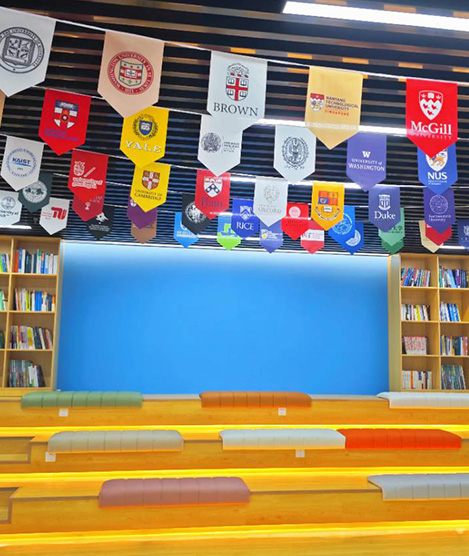
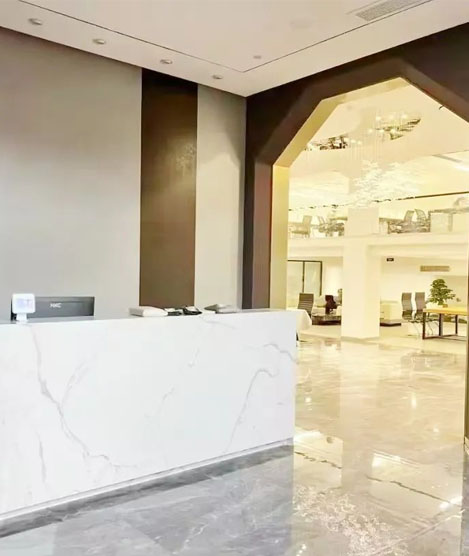
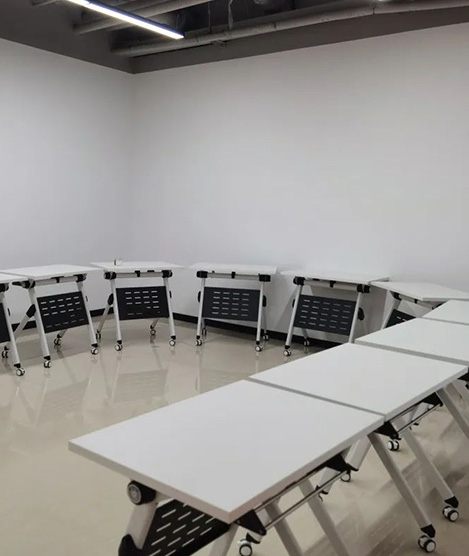
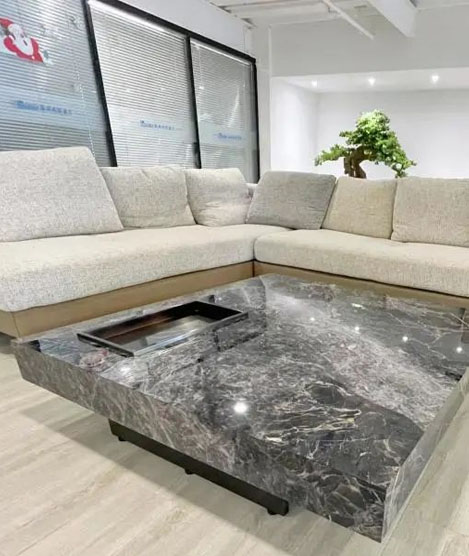
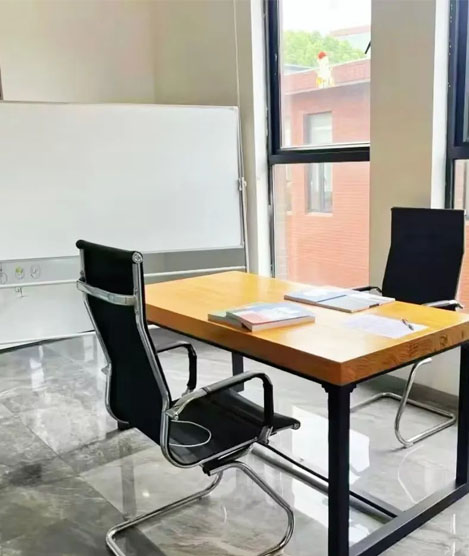
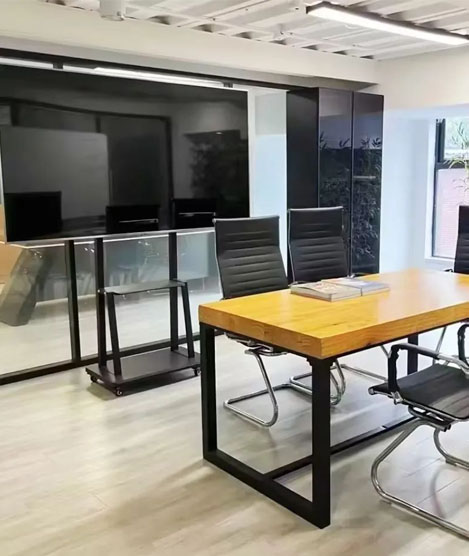
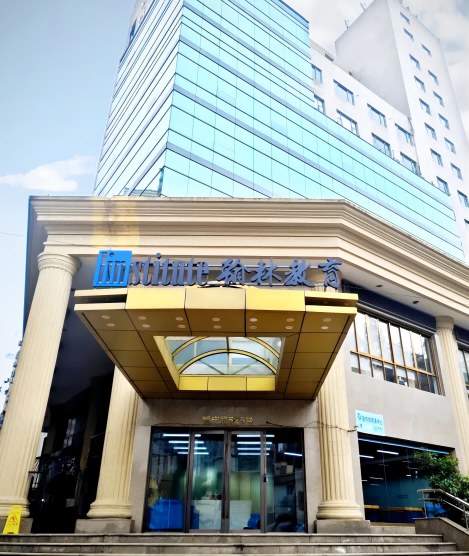
Teaching runs from Hanlin's own centres in Shanghai, Shenzhen, Chengdu and Hangzhou, and online for students elsewhere.
Talk to an advisor
Everything Hanlin does for NMUN, in one conversation.
Entry, planning, coaching and the past papers. An advisor will tell you which of these a student actually needs, including when the answer is none of them.
Competition entry and planning
Which competitions suit this student, in what order, and by when - then we handle the registration, including the ones that can only be entered through a school or a centre.
Competition coaching
Taught by full-time subject tutors, on a course tier chosen by placement paper rather than by year group.
International curriculum tutoring
IB, AP, A-Level, IGCSE and the US high school curriculum, taught alongside school and timed around the exam calendar.
Competition past papers, free
A large library of past papers, mark schemes and syllabus breakdowns across every competition on this site. No charge and no enrolment.
Scan to add an advisor
Say which competition or course you are asking about. Replies in Chinese or English.
Or call +86 21 6352 6630FAQ
NMUN, briefly answered.
What students and families ask before registering.
Can a school student attend NMUN?
Confirm with the organiser before booking anything. NMUN describes itself throughout as an intercollegiate conference for university students, while its eligibility summary gives an age range of 10 to 18 and one passage says participants range from university to high school and middle school.
Is there a separate conference for school students?
NMUN’s own history records that its organisers created a National High School Model United Nations conference in 1974, first held in New York in 1975, and transferred it to a separate non-profit - the International Model United Nations Association - in 1978.
What is NMUN?
A US 501(c)(3) non-profit running Model United Nations conferences, with a formal relationship with the UN Department of Global Communications. It draws participants from more than a hundred UN member states each year.
Which conferences are there?
New York, Washington DC and the Galápagos Islands. They are different experiences rather than tiers of the same event.
What happens at the New York conference?
Committee sessions and draft resolutions on global issues, visits to permanent missions to the UN, and selected sessions at UN Headquarters where circumstances allow.
What is different about the Galápagos conference?
It is hosted with Universidad San Francisco de Quito on its San Cristóbal campus, built around global environmental issues, and includes service-learning in Galápagos National Park. Places are limited.
What skills does it build?
The organisers name diplomacy, negotiation, critical thinking, compromise, public speaking, writing and research. Delegates represent an assigned country or organisation rather than their own view.
What language is it in?
English, requiring listening, speaking and writing.
When does registration open?
In September for the following spring, with delegation and hotel confirmation and payment from mid-November. Note that the published schedule covers a season that has passed and mixes two years - check the current dates.
Related
Other debate and international-affairs competitions.
What school students enter alongside, or instead of, Model UN.
Model UN enquiries
Confirm eligibility before you book flights.
NMUN describes itself as a university conference and lists an age range that includes school students, and the school conference it founded now belongs to another organisation. Tell us the student’s year group and an advisor will find out which Model UN route is actually open to them.